
Aluminum Die Casting Company for Precision OEM Parts

Aluminum die casting has become one of the most widely used manufacturing methods for producing precision metal components. Many global OEM companies rely on aluminum die casting because it enables high volume production while maintaining excellent dimensional accuracy.

Vietnam has emerged as a strong destination for outsourced manufacturing. Modern factories combine engineering expertise, advanced machinery, and international export experience. As a result, global companies increasingly choose Vietnam based manufacturers when sourcing custom aluminum die casting parts.

What Is Aluminum Die Casting

Overview of Aluminum Die Casting Technology

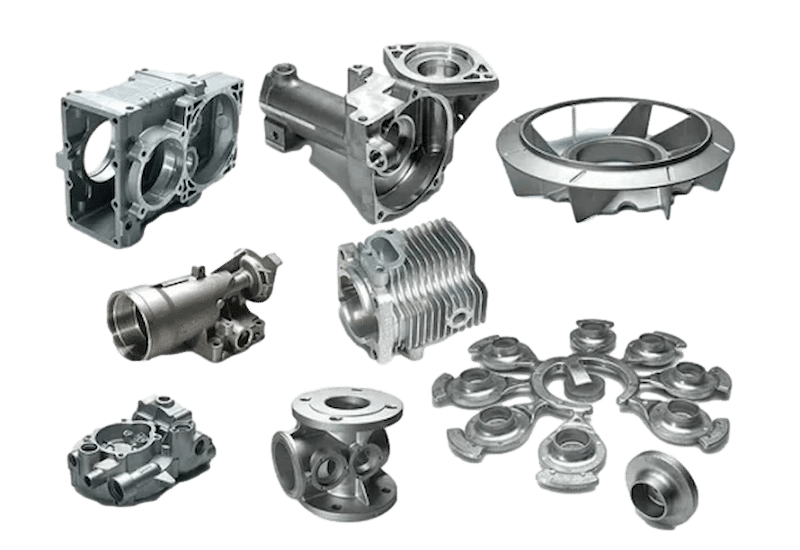
Aluminum die casting is a manufacturing process where molten aluminum alloy is injected into a reusable steel mold under high pressure. This method is commonly known as high pressure die casting or HPDC.

The process begins by heating aluminum alloy until it becomes molten metal. The molten aluminum is then injected into a precisely engineered die casting mold using hydraulic pressure. Once the metal solidifies inside the mold, the casting machine ejects the finished component.

This manufacturing technique allows companies to produce complex parts with excellent repeatability. Because the molds are reusable, aluminum die casting is particularly efficient for medium to high volume production.

About Us

Why Choose VDC

Engineering-Led Die Casting You Can Rely On

Supplier Qualification Process

VDC works with a network of carefully qualified manufacturing partners specializing in zinc die casting production, ensuring each supplier meets strict technical and quality requirements. Every factory undergoes a detailed evaluation process that includes assessing production capabilities, equipment, certifications, and past project performance. This structured qualification approach allows VDC to match each project with the most suitable supplier, ensuring consistent quality, scalability, and reliability for global clients.

Engineering Support and Quality Assurance

VNO’s engineering teams provide comprehensive support throughout the project lifecycle, including design analysis, manufacturability optimization, and ongoing quality control. By collaborating closely with both clients and suppliers, we help refine product designs, reduce production risks, and ensure all components meet precise technical specifications. This integrated approach enhances product performance while maintaining efficiency and cost control across zinc die casting projects. Companies interested in production capabilities can discover our precision zinc die casting capabilities or explore our zinc components manufacturing solutions to better understand available options.

Global Export Manufacturing

VDC coordinates production, quality inspection, and export logistics across its manufacturing network to deliver a seamless sourcing experience for international clients. From supplier management to final shipment, every step is carefully controlled to ensure on-time delivery and compliance with global standards. This end-to-end approach enables companies to confidently source high-quality zinc components from Asia while maintaining full visibility and control over their supply chain.

Our Capabilities

Aluminum Die Casting Capabilities

High Pressure Aluminum Die Casting (HPDC)

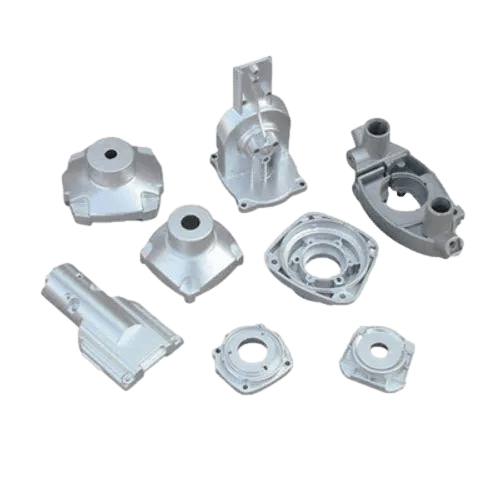
High pressure die casting technology plays a central role in aluminum component manufacturing. HPDC machines inject molten aluminum into precision steel molds at extremely high pressure.

This method enables manufacturers to produce parts with excellent dimensional accuracy and smooth surface finishes. In addition, HPDC supports high production volumes while maintaining consistent quality.

Many aluminum alloys used in HPDC include materials such as ADC12 and A380, which provide strong mechanical performance and excellent casting characteristics.

aluminum die casting

Aluminum Gravity Die Casting

Aluminum gravity die casting is ideal for medium-run production of parts with thicker walls and enhanced mechanical strength, especially in applications where durability and structural integrity are critical. This process uses gravity to fill the die cavity without external pressure, allowing for the use of higher-quality aluminum alloys that provide improved density and reduced porosity. Compared to high-pressure die casting, it delivers components with better ductility, weldability, and fatigue resistance, making it a preferred solution for automotive parts, industrial machinery, and structural applications requiring long-term reliability.

Our Capabilities

Zinc Die Casting Manufacturing Process

aluminum die casting
  • Product Design and Engineering

    The manufacturing process begins with a thorough evaluation of product design, where engineers review CAD models, technical drawings, and functional requirements to assess manufacturability and performance. Through detailed analysis, potential issues such as shrinkage, deformation, or structural weaknesses are identified early. Design optimization at this stage improves casting performance, reduces production risks, and ensures efficient, cost-effective manufacturing while meeting strict technical specifications.

  • Die Casting Mold Development

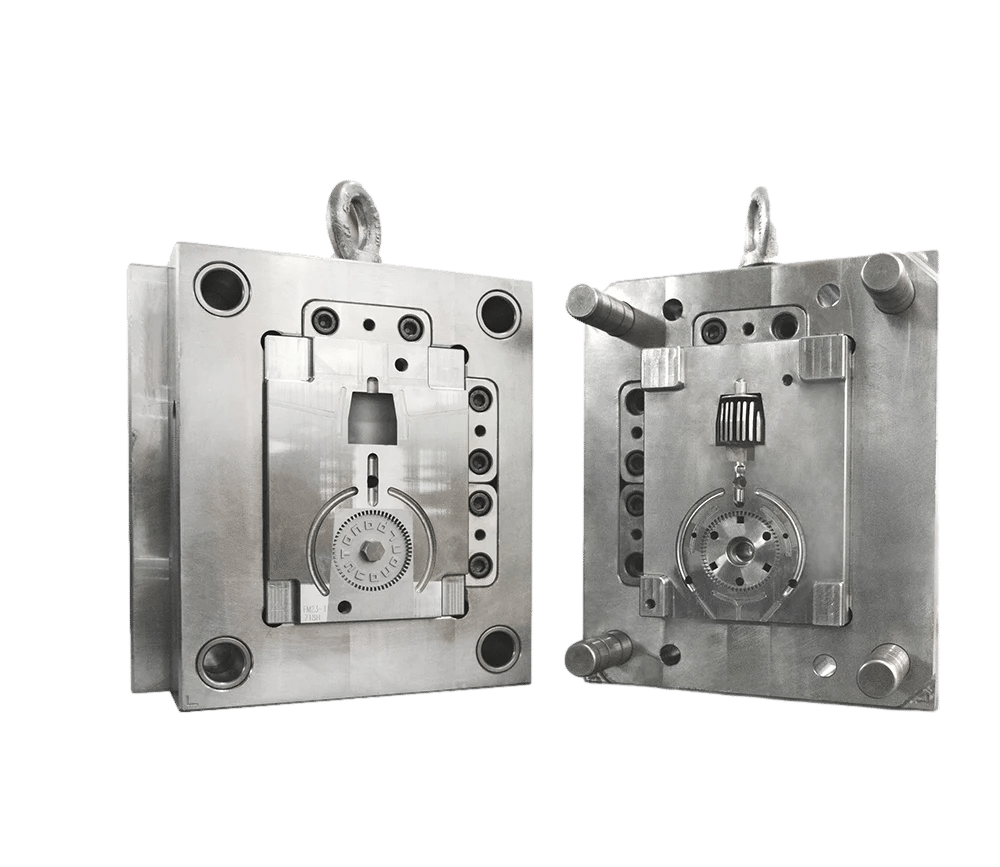
    After design approval, tooling engineers develop the die casting mold that will be used throughout production. These molds are manufactured from hardened steel using precision machining equipment to ensure durability and accuracy. Proper mold design is critical, as it controls metal flow, cooling rates, and dimensional stability, enabling smooth casting cycles and consistent part quality over long production runs.

  • Molten Zinc Injection

    During production, molten zinc alloy is injected into the mold cavity under high pressure using specialized die casting machines. The molten metal fills the cavity rapidly and solidifies into the desired shape with excellent detail and surface finish. This process allows manufacturers to produce complex components with tight tolerances, high repeatability, and efficient cycle times, making it ideal for large-scale production.

  • CNC Machining and Finishing

    Although die casting produces near-net-shape parts, secondary machining is often required to achieve final tolerances and functional requirements. CNC machining centers perform operations such as drilling, milling, and threading with high precision. In addition, surface finishing processes like chrome plating, polishing, and coating are applied to enhance appearance, improve corrosion resistance, and meet specific application needs.

  • Quality Inspection and Testing

    Quality inspection is carried out throughout the entire production process to ensure every component meets engineering and customer specifications. Inspection laboratories use advanced measurement equipment to verify dimensions, analyze surface quality, and detect potential defects. This rigorous quality control approach ensures consistency, reliability, and long-term performance, reflecting the principle that “Quality is never an accident; it is always the result of intelligent effort.”

Our Capabilities

Zinc Casting for Automotive Parts

aluminum die casting

Automotive Die Castings

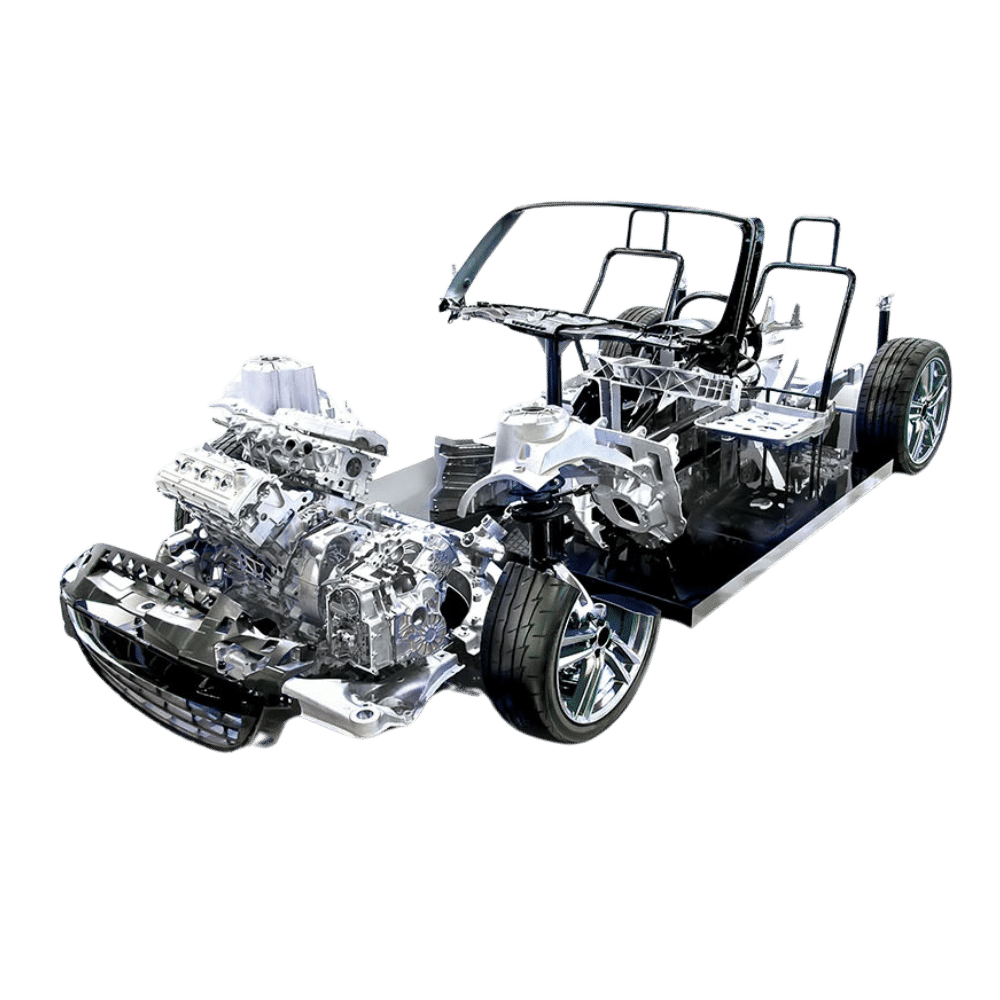
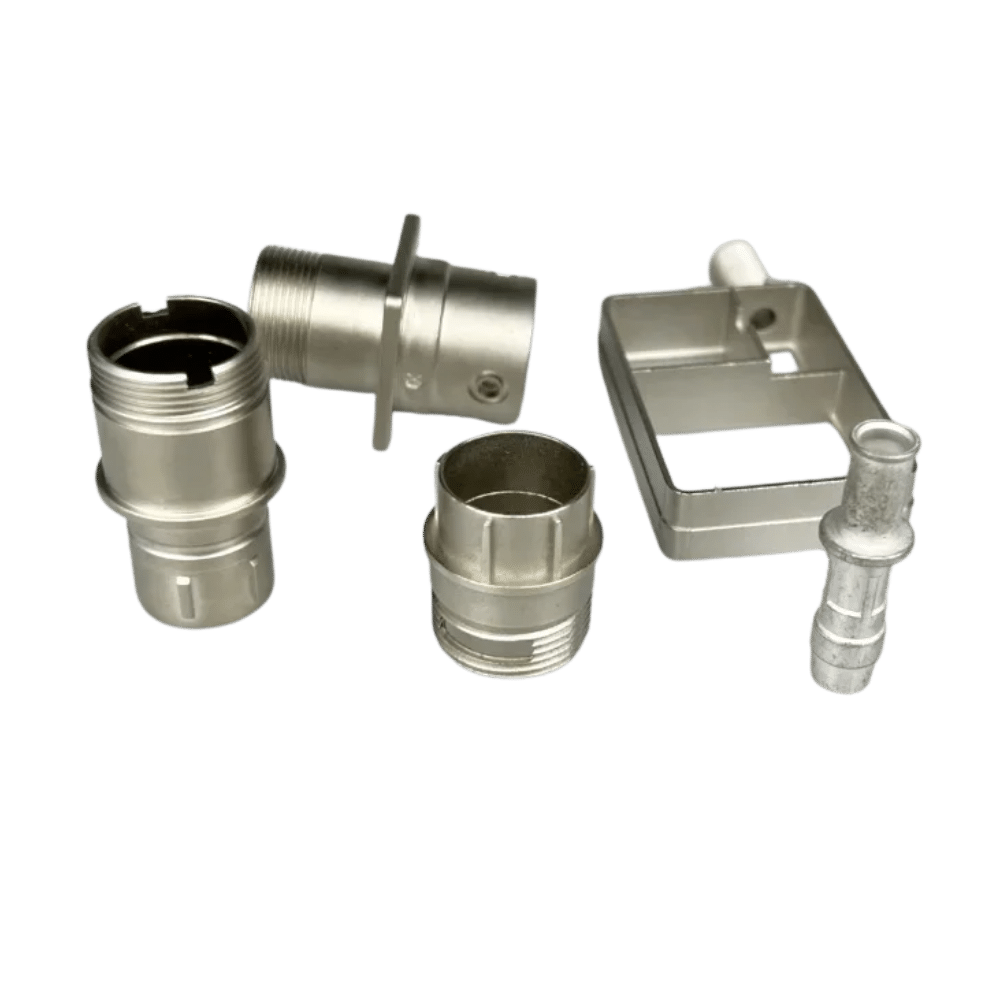
Automotive manufacturers require lightweight yet durable metal components to improve fuel efficiency, reduce emissions, and enhance overall vehicle performance. Aluminum die casting is widely used to produce engine housings, transmission parts, structural brackets, and various critical components that must withstand high stress, vibration, and temperature conditions. Its ability to deliver strong, lightweight, and highly precise parts makes it a key solution in modern automotive engineering, especially as the industry shifts toward electric vehicles and energy-efficient designs.
aluminum die casting

Electronics and Heat Sinks

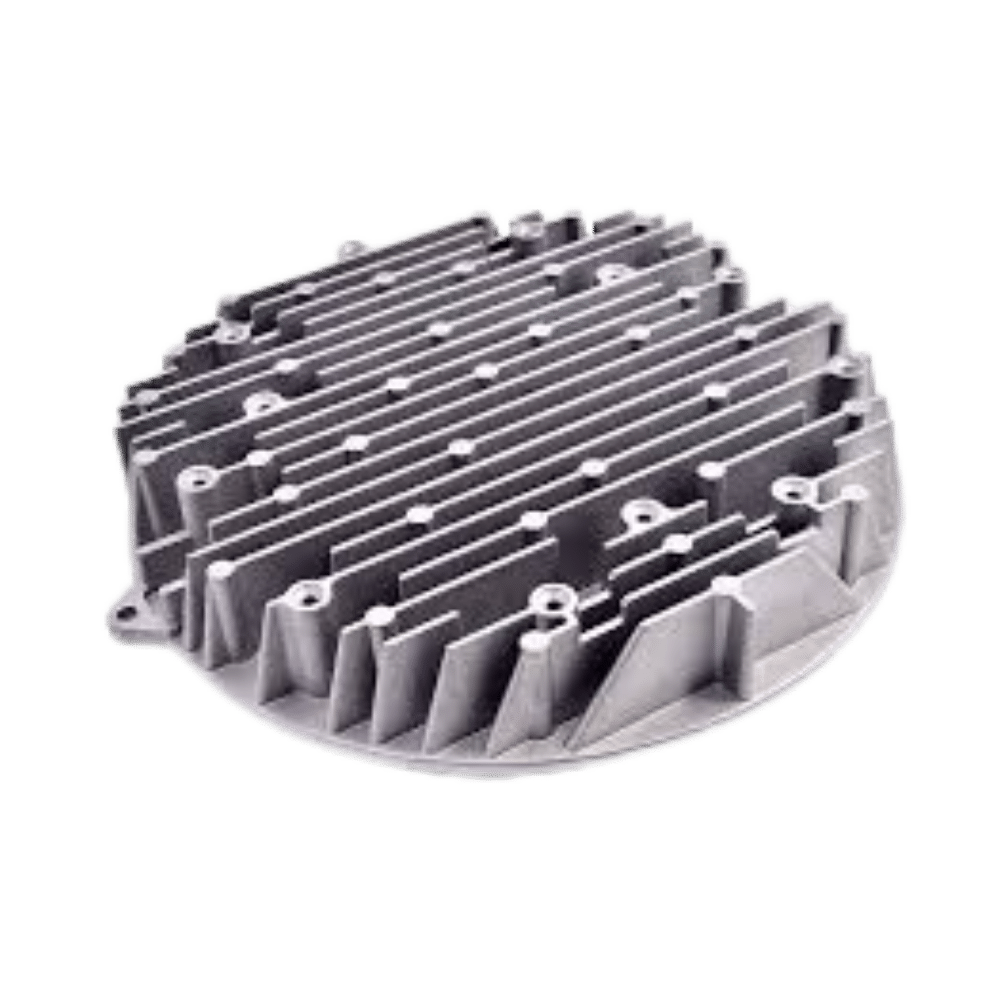
Aluminum heat sinks play a vital role in maintaining the performance and lifespan of electronic devices and systems. Due to aluminum’s excellent thermal conductivity, die-cast components can efficiently dissipate heat in applications such as power electronics, LED lighting, data centers, and telecommunications equipment. This ensures stable operation, prevents overheating, and enhances the reliability of sensitive electronic systems, particularly in high-performance and high-density environments.
aluminum die casting

Energy Equipment

Renewable energy technologies rely heavily on precision-engineered aluminum components to ensure efficiency and durability under demanding environmental conditions. Aluminum die casting is commonly used in solar panel mounting systems, wind turbine components, and battery housing structures, where lightweight materials, corrosion resistance, and long-term stability are essential. As the global demand for clean energy continues to grow, aluminum die casting plays a critical role in supporting scalable and sustainable energy solutions.

aluminum die casting

Industrial Machinery

Industrial machinery requires robust and durable metal components capable of handling heavy loads, continuous operation, and harsh working environments. Aluminum die casting enables the efficient production of complex mechanical parts with high strength, dimensional accuracy, and repeatability. This makes it ideal for manufacturing equipment housings, structural components, and precision parts used across various industries, helping improve operational efficiency while maintaining cost-effectiveness and long-term reliability.


Request a Quote for Custom Aluminum Die Casting

Send Your Design Files

Manufacturing projects usually begin by sending CAD models or technical drawings for engineering evaluation.

Engineering Review

Engineering teams analyze the design and recommend improvements to optimize production efficiency.

Companies interested in production capabilities can Discover our custom aluminum die casting solutions or Explore our precision aluminum die casting capabilities.

Production and Delivery

Once the design and tooling are approved, production begins according to the project schedule. Finished components are inspected and prepared for global shipment.

Businesses can Request a custom aluminum casting quote or Contact our aluminum die casting engineering team to begin their manufacturing project.

Frequently Asked Questions

What is aluminum die casting and how does it work
Aluminum die casting is a highly efficient manufacturing process in which molten aluminum alloy is injected into a precision-machined steel mold under high pressure to create complex metal components with tight tolerances and excellent surface finish. The process allows for rapid production, high repeatability, and the ability to produce intricate geometries that would be difficult or costly with other methods, making it ideal for both structural and functional parts across various industries.

Why choose Vietnam for aluminum die casting manufacturing
Vietnam has become an increasingly attractive destination for aluminum die casting due to its competitive manufacturing costs, growing pool of skilled engineers, and strong export infrastructure. Many Vietnamese factories are equipped with modern machinery and follow international standards, allowing global OEM clients to achieve high-quality production while optimizing cost efficiency and maintaining reliable supply chains.

What aluminum alloys are commonly used in die casting
Common aluminum alloys used in die casting include ADC12 and A380, both known for their excellent casting properties, strength, and corrosion resistance. These materials offer a good balance between mechanical performance and manufacturability, making them suitable for a wide range of applications such as automotive components, electronics housings, and industrial equipment.

How much does aluminum die casting cost
The cost of aluminum die casting depends on several key factors, including part complexity, tooling design, alloy selection, and production volume. While initial tooling investment can be relatively high, the process becomes highly cost-effective for medium to large production runs due to its speed, consistency, and reduced need for secondary processing, making it a preferred choice for OEM manufacturing.


Send your enquiries