
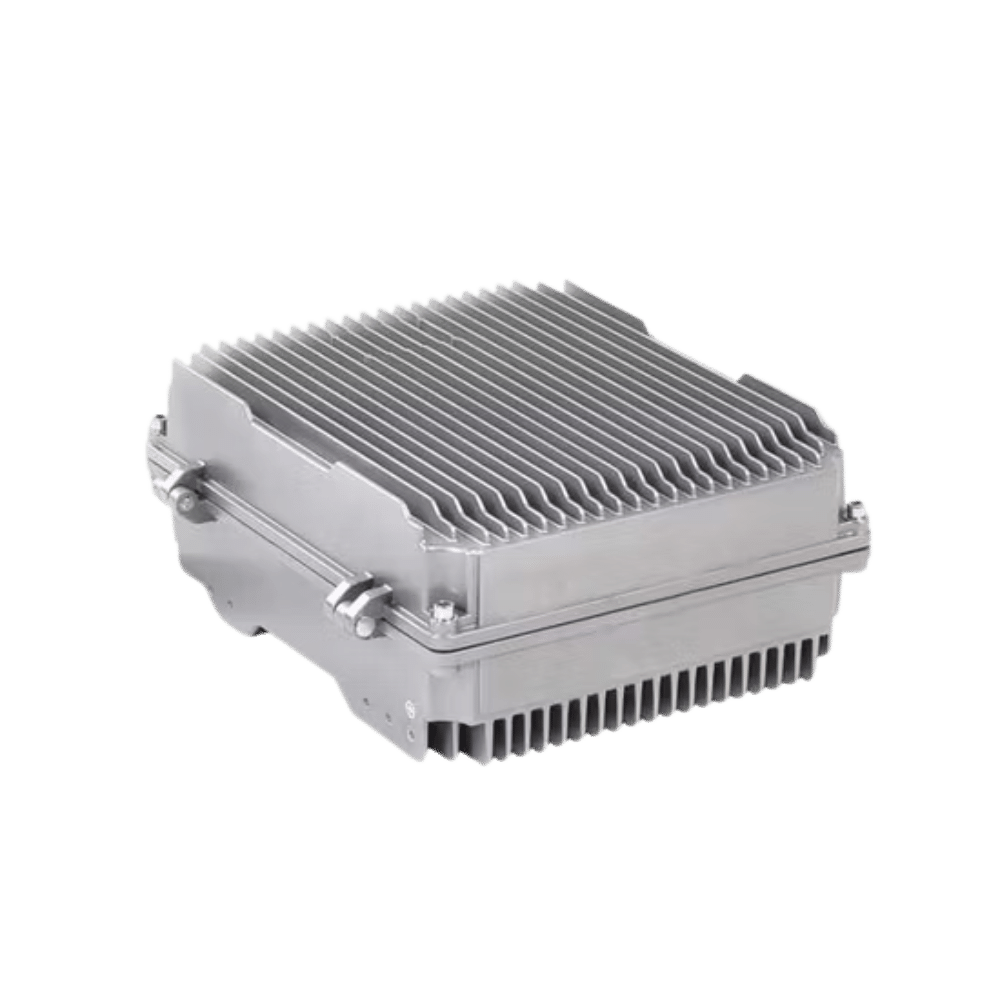
Zinc die casting is widely used in modern manufacturing for producing high precision metal components with excellent surface quality. Many OEM manufacturers rely on zinc casting technology because it enables the production of complex parts with tight tolerances while maintaining cost efficient mass production.
Vietnam has become a competitive destination for outsourced manufacturing. Modern factories operate advanced high pressure die casting equipment while maintaining strong engineering expertise. Consequently, many global companies now partner with Vietnam based manufacturers to produce zinc components for international markets.
Zinc die casting is a metal manufacturing process that injects molten zinc alloy into a reusable steel mold under high pressure. This process is commonly referred to as high pressure die casting, also known as HPDC.
During production, zinc alloy is heated until it becomes molten metal. The molten zinc is then injected into a precision die casting mold using hydraulic pressure. Once the metal solidifies inside the mold cavity, the casting machine ejects the finished component.
This technology enables manufacturers to produce complex shapes with excellent repeatability. Because the molds can be reused for thousands of production cycles, zinc die casting is highly efficient for large scale manufacturing.
Zinc alloys offer several advantages for industrial manufacturing. First, zinc provides exceptional dimensional stability, which allows manufacturers to produce highly precise components.
Second, zinc casting supports thin wall geometries that are difficult to achieve with other metals. This capability allows engineers to design lightweight components while maintaining structural strength.
Additionally, zinc alloys provide excellent surface finish characteristics. Manufacturers can easily apply surface finishing processes such as chrome plating or decorative coatings to improve appearance and corrosion resistance.
For these reasons, zinc die casting remains a preferred manufacturing solution for precision mechanical parts and decorative metal components.
VDC works with a network of carefully qualified manufacturing partners specializing in zinc die casting production, ensuring each supplier meets strict technical and quality requirements. Every factory undergoes a detailed evaluation process that includes assessing production capabilities, equipment, certifications, and past project performance. This structured qualification approach allows VDC to match each project with the most suitable supplier, ensuring consistent quality, scalability, and reliability for global clients.
VNO’s engineering teams provide comprehensive support throughout the project lifecycle, including design analysis, manufacturability optimization, and ongoing quality control. By collaborating closely with both clients and suppliers, we help refine product designs, reduce production risks, and ensure all components meet precise technical specifications. This integrated approach enhances product performance while maintaining efficiency and cost control across zinc die casting projects. Companies interested in production capabilities can discover our precision zinc die casting capabilities or explore our zinc components manufacturing solutions to better understand available options.
VDC coordinates production, quality inspection, and export logistics across its manufacturing network to deliver a seamless sourcing experience for international clients. From supplier management to final shipment, every step is carefully controlled to ensure on-time delivery and compliance with global standards. This end-to-end approach enables companies to confidently source high-quality zinc components from Asia while maintaining full visibility and control over their supply chain.
High pressure die casting technology plays a critical role in zinc component manufacturing. HPDC machines inject molten zinc alloy into steel molds at high speed and high pressure.
This method enables manufacturers to produce components with excellent dimensional accuracy and smooth surface finishes. It also supports high production volumes while maintaining consistent product quality.
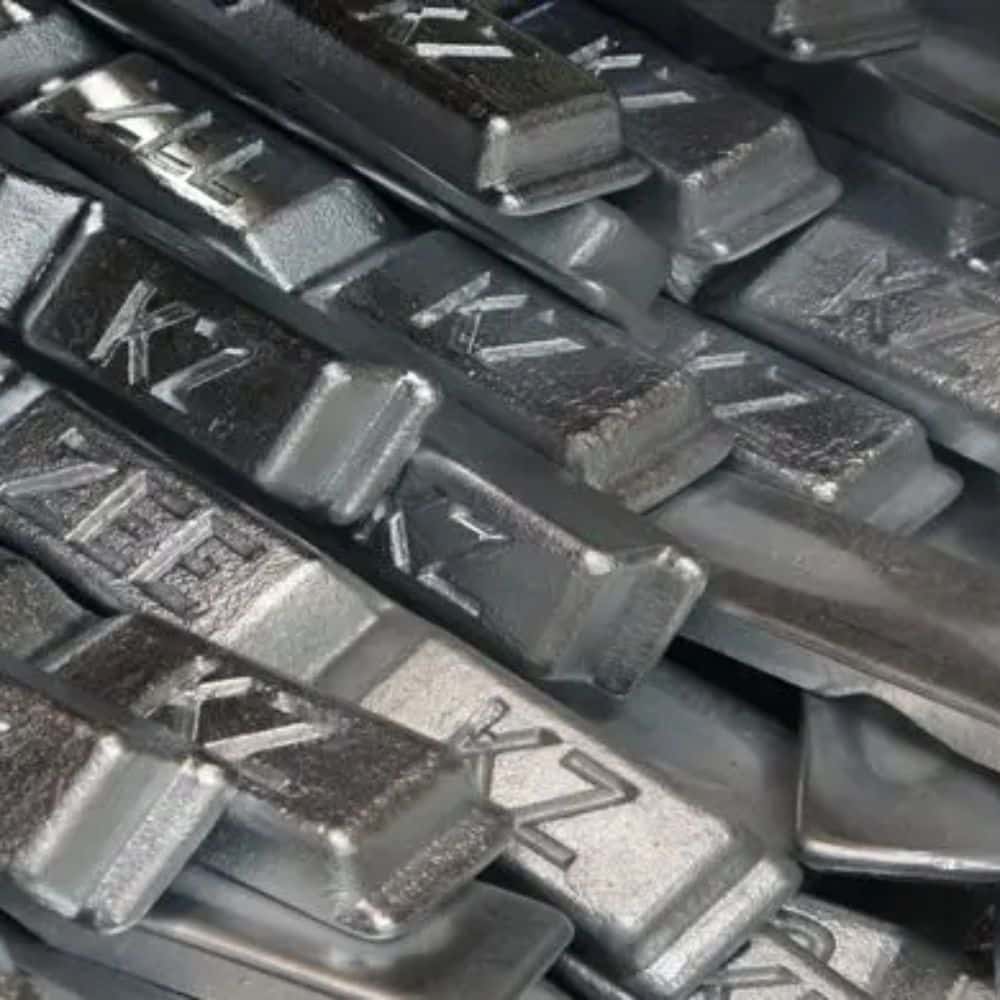
Common materials used in zinc die casting include Zamak 3 alloy and Zamak 5 alloy, both known for strong mechanical performance and excellent casting characteristics.
Many OEM manufacturers require custom metal components designed for specific product applications. Custom zinc die casting begins with engineering collaboration between the supplier and the customer.
Engineers review CAD models and technical drawings to evaluate manufacturability. During this stage, design improvements may be recommended to optimize geometry, wall thickness, and alloy selection.
Once the design is finalized, tooling engineers develop the die casting mold used in production. After mold completion, manufacturers can begin producing high volume custom zinc components.
The manufacturing process begins with a thorough evaluation of product design, where engineers review CAD models, technical drawings, and functional requirements to assess manufacturability and performance. Through detailed analysis, potential issues such as shrinkage, deformation, or structural weaknesses are identified early. Design optimization at this stage improves casting performance, reduces production risks, and ensures efficient, cost-effective manufacturing while meeting strict technical specifications.
After design approval, tooling engineers develop the die casting mold that will be used throughout production. These molds are manufactured from hardened steel using precision machining equipment to ensure durability and accuracy. Proper mold design is critical, as it controls metal flow, cooling rates, and dimensional stability, enabling smooth casting cycles and consistent part quality over long production runs.
During production, molten zinc alloy is injected into the mold cavity under high pressure using specialized die casting machines. The molten metal fills the cavity rapidly and solidifies into the desired shape with excellent detail and surface finish. This process allows manufacturers to produce complex components with tight tolerances, high repeatability, and efficient cycle times, making it ideal for large-scale production.
Although die casting produces near-net-shape parts, secondary machining is often required to achieve final tolerances and functional requirements. CNC machining centers perform operations such as drilling, milling, and threading with high precision. In addition, surface finishing processes like chrome plating, polishing, and coating are applied to enhance appearance, improve corrosion resistance, and meet specific application needs.
Quality inspection is carried out throughout the entire production process to ensure every component meets engineering and customer specifications. Inspection laboratories use advanced measurement equipment to verify dimensions, analyze surface quality, and detect potential defects. This rigorous quality control approach ensures consistency, reliability, and long-term performance, reflecting the principle that “Quality is never an accident; it is always the result of intelligent effort.”

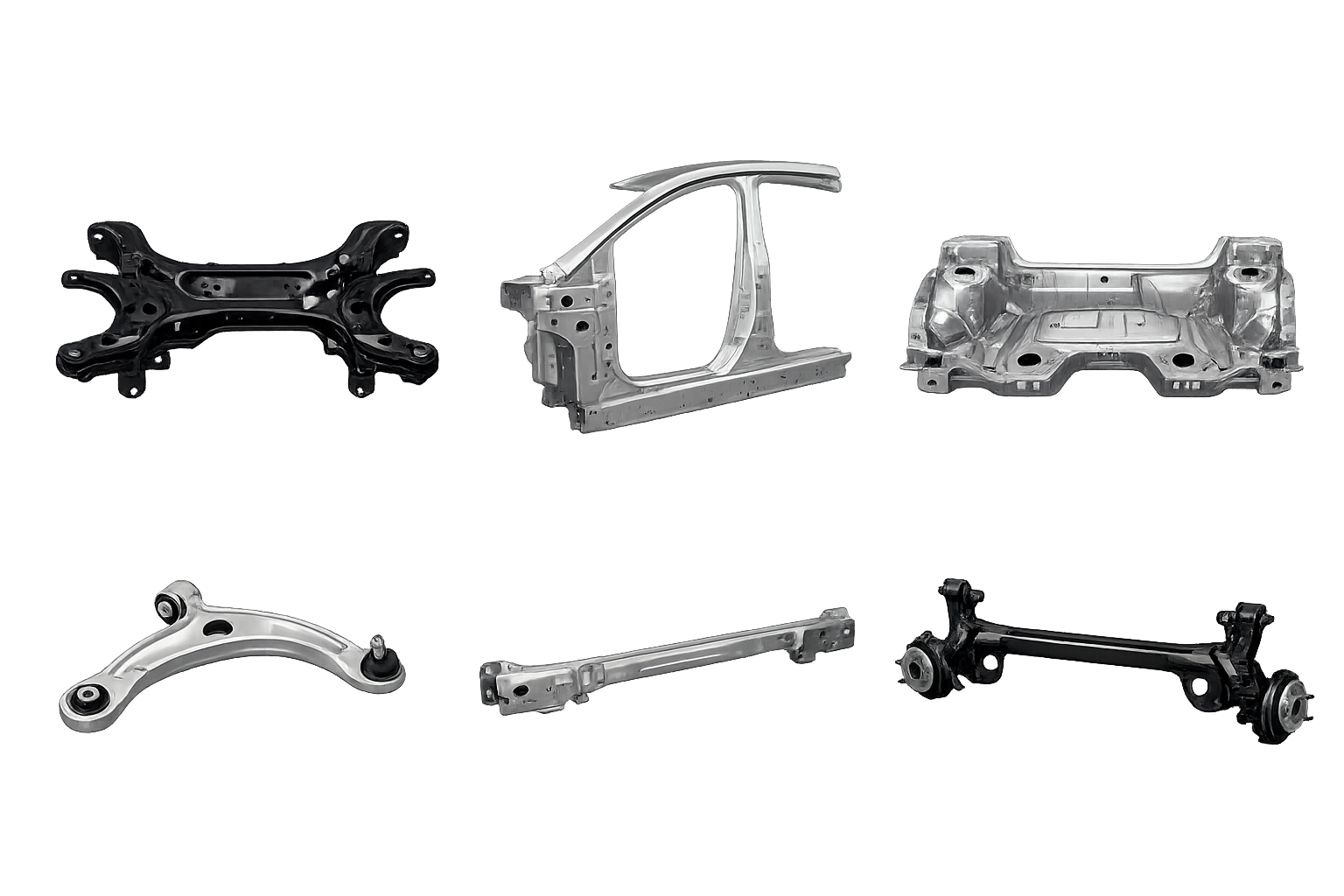
Zinc die casting is widely used for automotive components that require high strength, dimensional stability, and long-term durability under demanding conditions. These parts include brackets, housings, mounting structures, and support components that must withstand vibration, mechanical stress, and temperature variations. The inherent strength and rigidity of zinc alloys make them ideal for maintaining structural integrity while ensuring consistent performance throughout the vehicle’s lifecycle.
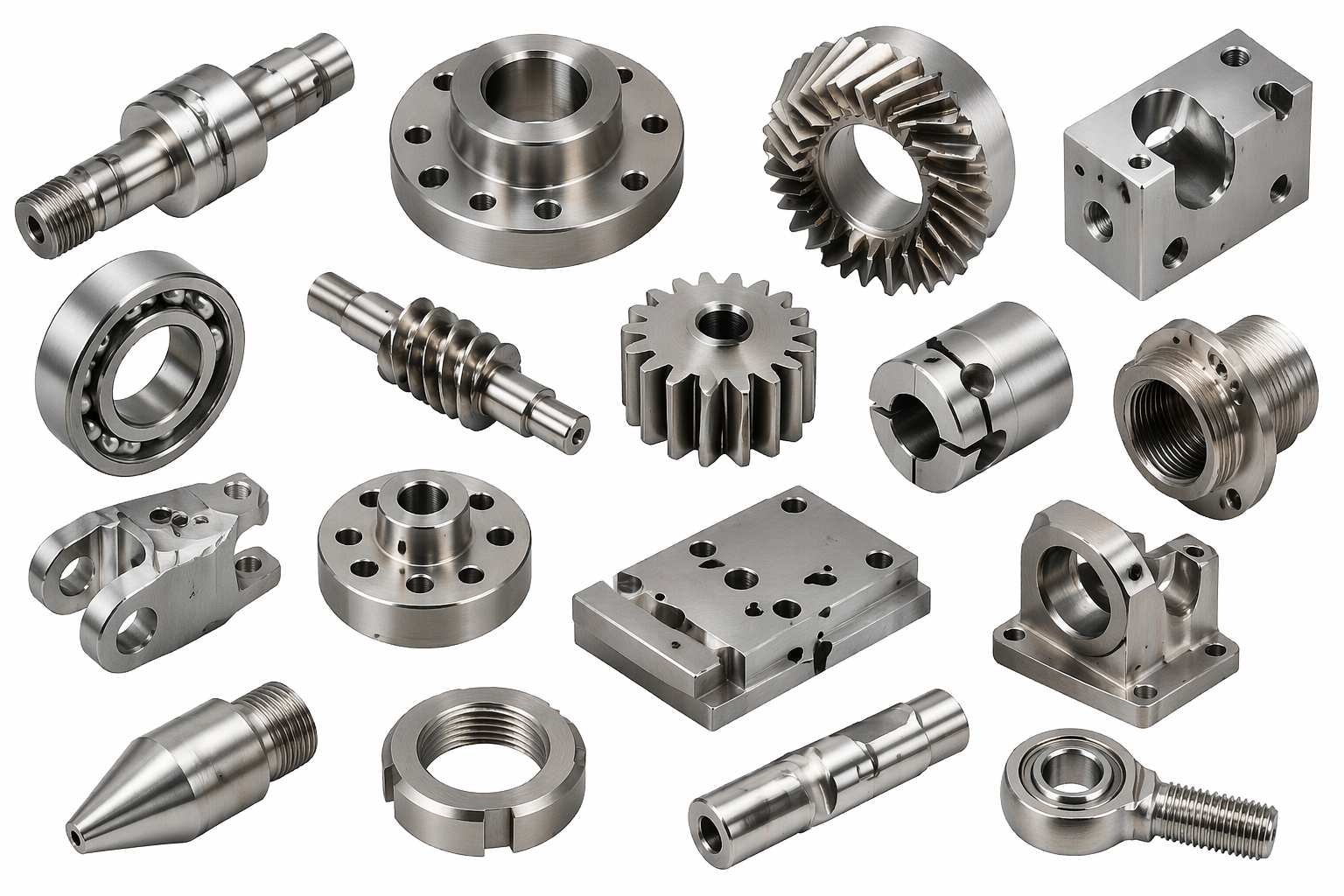
Zinc alloys enable manufacturers to produce small, complex mechanical components with extremely tight tolerances and excellent repeatability. This makes zinc die casting particularly suitable for intricate parts used in automotive systems, electronic assemblies, and industrial equipment where precision is critical. The ability to cast fine details with minimal post-processing helps reduce machining requirements, improve efficiency, and maintain consistent quality across high-volume production.
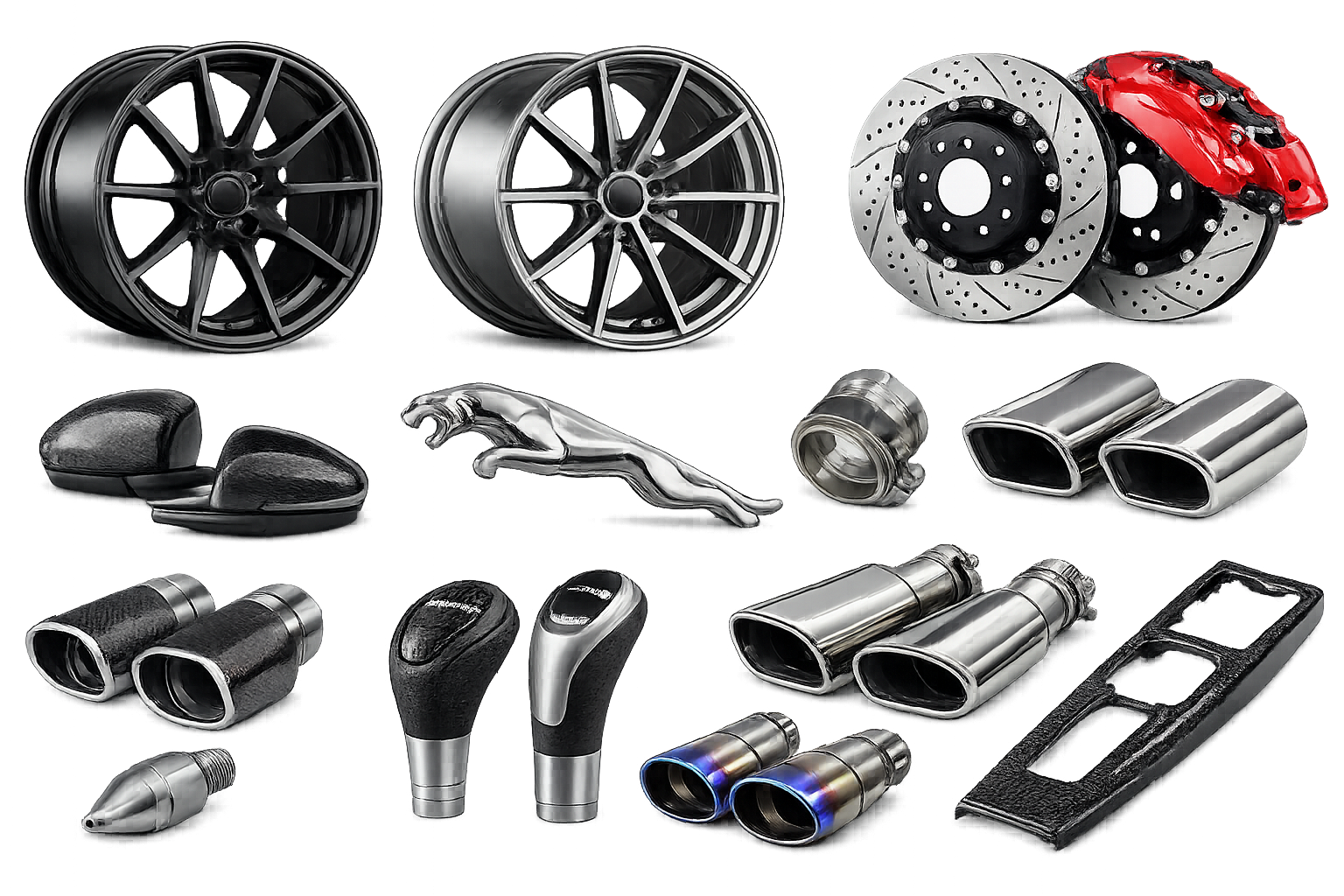
Zinc die casting is also widely used for decorative automotive parts due to its superior surface finishing capabilities. Zinc components can be easily plated, polished, or coated to achieve high-quality finishes such as chrome, nickel, or paint coatings. As a result, manufacturers frequently use zinc die casting for interior trim, handles, emblems, and exterior styling features that require both aesthetic appeal and durability.
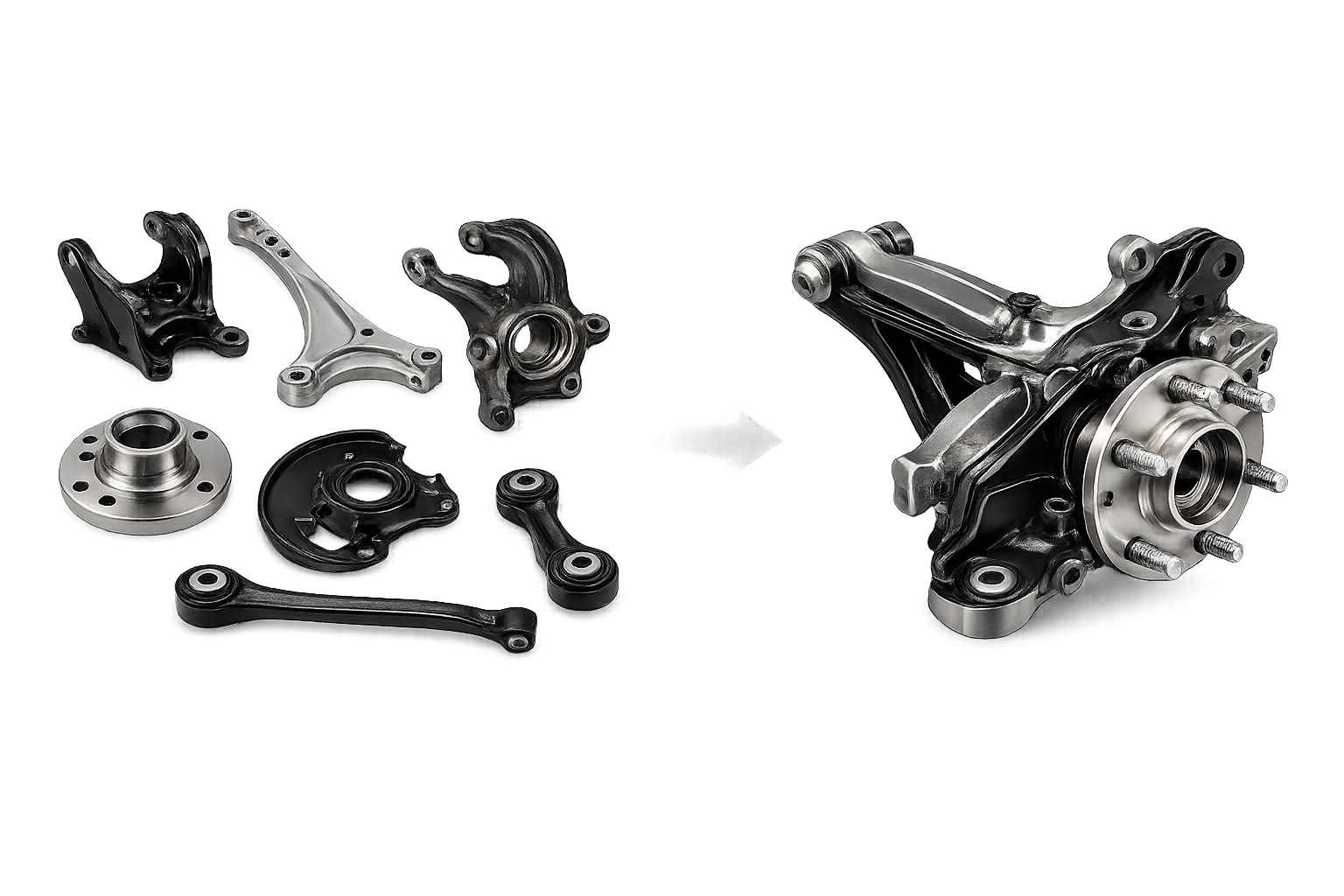
In addition to strength and precision, zinc die casting allows for the integration of multiple features into a single component, reducing the need for assembly and lowering overall production costs. Complex geometries, threads, and fine details can be cast directly into the part, improving efficiency and minimizing material waste. This capability makes zinc die casting a highly cost-effective solution for automotive manufacturers seeking to balance performance, design flexibility, and large-scale production efficiency.
Submit CAD Files
Manufacturing projects typically begin with the submission of CAD models or detailed technical drawings for initial engineering review. This allows our team to fully understand design intent, technical requirements, and production expectations before moving forward.
Engineering Evaluation
Our engineering team then analyzes product specifications, identifies potential risks, and recommends design improvements to enhance manufacturability, reduce defects, and optimize production costs. This step ensures a more efficient and reliable zinc die casting process from the outset.
Production and Global Delivery
Once the design is approved and tooling is completed, production begins according to the agreed schedule. All components undergo strict quality inspection before being packaged and shipped globally, ensuring they meet international standards and arrive ready for use.
Companies seeking reliable zinc manufacturing partners can request a custom zinc die casting quote or contact our zinc die casting engineering team to discuss project requirements and explore tailored manufacturing solutions.
What is zinc die casting and how does it work
Zinc die casting is a precision manufacturing process in which molten zinc alloy is injected into a hardened steel mold under high pressure to produce detailed metal components with tight tolerances and smooth surface finishes. The process enables fast cycle times, excellent repeatability, and the ability to manufacture complex geometries, making it highly suitable for high-volume production across various industries.
What are the advantages of zinc die casting for automotive parts
Zinc die casting offers several advantages for automotive applications, including outstanding dimensional accuracy, the ability to produce thin-walled components, and strong mechanical performance. These properties make zinc ideal for producing intricate parts such as connectors, housings, and brackets that require both precision and durability while maintaining cost efficiency in mass production.
Why choose a Vietnam zinc die casting manufacturer
Vietnam has become a strong manufacturing hub for zinc die casting, offering competitive production costs combined with a growing base of skilled engineers and modern facilities. With improving quality standards and reliable export infrastructure, Vietnamese manufacturers are well-positioned to support global OEM clients seeking cost-effective and consistent production solutions.
What zinc alloys are commonly used in die casting
Common zinc alloys used in die casting include Zamak 3 and Zamak 5, both widely recognized for their excellent casting characteristics, strength, and surface finish quality. These materials provide a strong balance between mechanical performance and ease of manufacturing, making them suitable for a wide range of applications from automotive to electronics and industrial components.